


Lazymiracle™ Anti-Pigment Dual Serum
Lazymiracle™ Anti-Pigment Dual Serum
BUNDLE & SAVE
Couldn't load pickup availability
HOW TO USE IT
HOW TO USE IT
1. Brush your teeth with your regular toothpaste.2. Pat your teeth dry using a tissue, paper towel, orwipe.
3. Shake the bottle thoroughly.
4. Apply a light coat of the polish directly onto theteeth you want to cover.
5. Keep your mouth open for about 30 seconds to letthe product dry.6. If any polish settles between teeth, carefully removeit with dental floss for the best finish.
How to remove:
For optimal removal use our polish removal tool.Designed specifically to remove Tooth Polish instantlyand cleanly. Soft bristles lift the polish off your teethwithout scrubbing.
Otherwise, you may use a regular tooth brush withtoothpaste and repeat if necessary.
INGREDIENTS
INGREDIENTS
Rosin, Boswellia carterii gum extract, Alcohol,Hydroxyethylcellulose, Sodium fluoride, Beeswax, Xylitol
Keep out of reach of children. All of these ingredients aregenerally safe for incidental ingestion, the smallamounts that might be swallowed accidentally whenusing the polish.
90 DAY MONEY BACK GUARANTEE
90 DAY MONEY BACK GUARANTEE
If you receive an item that arrives damaged or doesn'tmeet your expectations, please get in touch with ourcustomer support team.
Should this happen, we will either replace the product orissue a refund within 90 days of when you received yourorder.

Lazymiracle™ Anti-Pigment Dual Serum


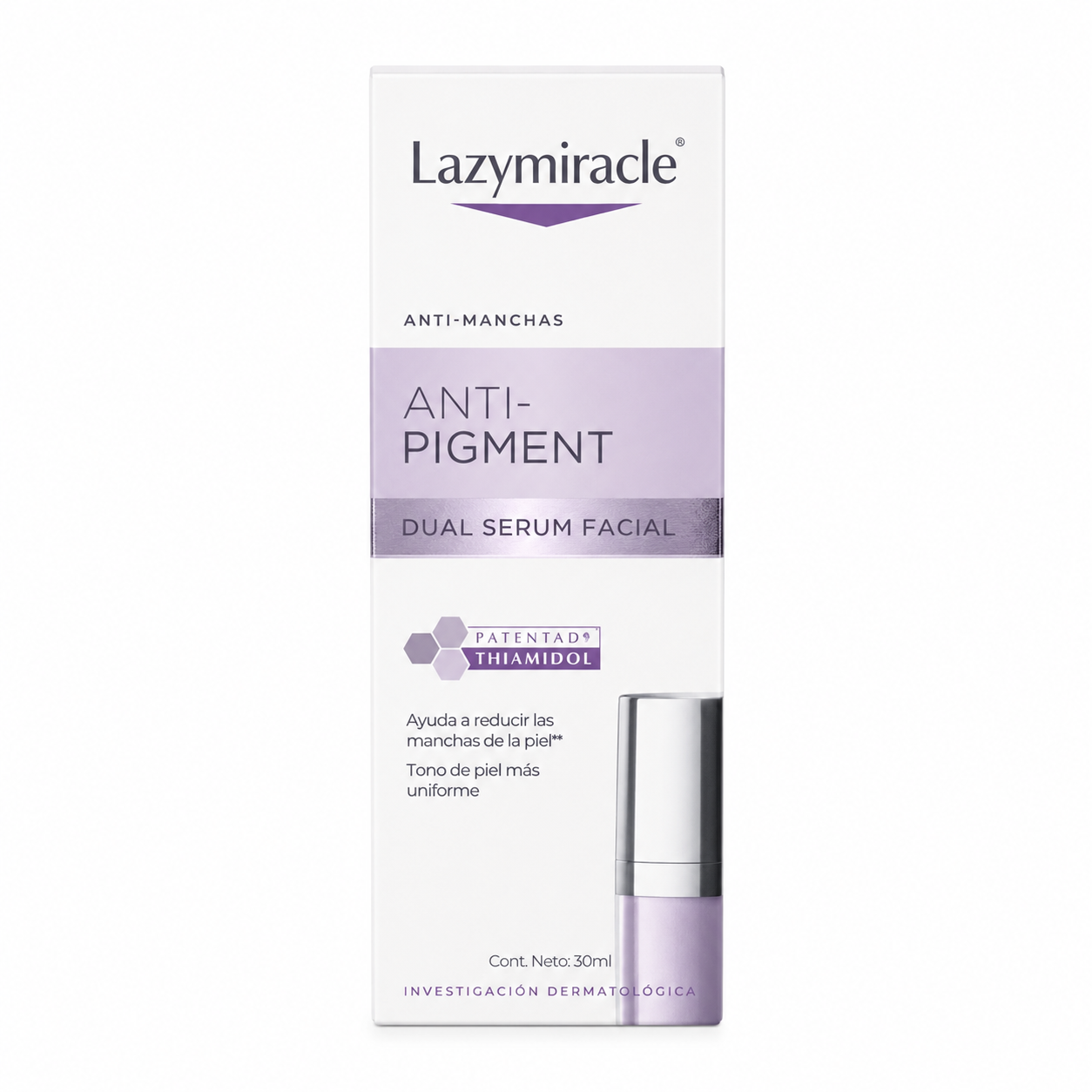

What is this product for?
Lazymiracle Anti-Pigment Dual Serum is made for people dealing with:
Dark spots from sun exposure
Those little brown patches that seem to get darker after summer or daily UV exposure.
Post-acne marks
The breakout is gone, but the mark stays behind like an unwanted receipt. 😅
Uneven skin tone
When your face looks dull, patchy, or less smooth in color.
Hyperpigmentation-prone skin
Skin that easily develops spots after irritation, acne, heat, or UV exposure.
A tired-looking complexion
When your skin does not look “bad,” but it also does not look fresh, clear, or radiant.
Dermatologists commonly explain that hyperpigmentation happens when the skin produces or deposits too much melanin, the pigment responsible for skin color. Sun exposure and inflammation can make this process worse, which is why dark spots often look more obvious over time.

Why does Lazymiracle work?
1. It targets excess melanin production
The visible hero ingredient on the package is Thiamidol, also known in research as isobutylamido thiazolyl resorcinol. This ingredient is studied as a human tyrosinase inhibitor. Tyrosinase is one of the main enzymes involved in melanin production. When tyrosinase activity is reduced, the skin may produce less excess pigment in targeted areas.
2. It helps fade the look of existing dark spots
Clinical studies on Thiamidol-containing formulas have shown improvement in facial hyperpigmentation, age spots, and post-inflammatory hyperpigmentation. In one randomized, double-blind, vehicle-controlled study, formulations containing Thiamidol were investigated for acne-related post-inflammatory hyperpigmentation and showed visible improvement.
3. It supports a more even-looking skin tone
Dark spots are not just about one mark. They affect the whole face because they make skin look uneven and tired. By targeting the pigment pathway, this type of serum helps the complexion look more balanced over time.
4. It works best with daily sunscreen
This part is non-negotiable: if you are treating dark spots but skipping sunscreen, you are fighting with one hand tied behind your back. The American Academy of Dermatology says effective treatment for dark spots begins with sunscreen, especially broad-spectrum SPF 30 or higher.
Key ingredients and why they matter


Scientific and expert-backed support
The strongest scientific reason this product concept makes sense is the pigment pathway. Hyperpigmentation is strongly linked to excess melanin production and transfer. Ingredients that reduce tyrosinase activity or interrupt pigment transfer are commonly studied for uneven tone.
A systematic review published in 2024 reported that isobutylamido thiazolyl resorcinol, also known as Thiamidol, was identified through screening as a highly potent inhibitor of human tyrosinase, and clinical studies have evaluated its benefits for hyperpigmentation concerns such as melasma and post-inflammatory hyperpigmentation.
The American Academy of Dermatology also emphasizes that treating dark spots should begin with sun protection, because UV and visible light can worsen discoloration. That means the most convincing routine is not serum alone; it is serum plus daily sunscreen.
So the logic is simple and powerful:
Less pigment overproduction + less sun-triggered darkening + consistent daily use = a better chance at visibly smoother, more even-looking skin. 🌞💜

How to use
Apply a small amount to clean, dry skin once or twice daily, depending on skin tolerance. Follow with moisturizer. In the morning, always finish with broad-spectrum SPF 30 or higher. For best results, use consistently for several weeks.
FAQ
1. What does Lazymiracle Anti-Pigment Dual Serum do?
1. What does Lazymiracle Anti-Pigment Dual Serum do?
It helps visibly reduce the appearance of dark spots, post-acne marks, sun spots, and uneven skin tone, giving the skin a brighter and more balanced look.
2. Is this a skin-whitening product?
2. Is this a skin-whitening product?
No. This is not about changing your natural skin color. It is about helping reduce the look of uneven pigmentation so your skin appears clearer and more even.
3. What is the hero ingredient?
3. What is the hero ingredient?
The visible hero ingredient is Thiamidol, a pigment-targeting ingredient studied for inhibiting human tyrosinase, an enzyme involved in melanin production.
4. How long does it take to see results?
4. How long does it take to see results?
Many dark spot products require consistent use for several weeks. Some people may notice a brighter look earlier, but stubborn spots usually need time, patience, and daily sunscreen.
5. Do I still need sunscreen?
5. Do I still need sunscreen?
Yes. Absolutely. Sunscreen is essential. Without SPF, UV exposure can make dark spots darker and slow your progress. The American Academy of Dermatology recommends sun protection as a key first step in treating dark spots.
6. Can I use it for acne marks?
6. Can I use it for acne marks?
Yes, it is suitable for the appearance of post-acne marks, especially the brown or grayish discoloration left after breakouts. Do not apply it to open wounds or freshly picked skin.
7. Can sensitive skin use it?
7. Can sensitive skin use it?
Sensitive skin should start slowly, such as once daily or every other day. Patch testing is recommended before full-face use.
8. Can I use it with vitamin C or niacinamide?
8. Can I use it with vitamin C or niacinamide?
In many skincare routines, pigment-targeting ingredients can be paired with supportive brightening or barrier ingredients. However, introduce products slowly to avoid irritation.
9. Can I use it at night?
9. Can I use it at night?
Yes. It can be used at night. If used in the morning, sunscreen is a must.
10. Will dark spots come back after they fade?
10. Will dark spots come back after they fade?
They can come back if the trigger continues, especially sun exposure, inflammation, or acne. Long-term results depend on consistency, SPF, and avoiding unnecessary skin irritation.
11. Is this suitable for all skin tones?
11. Is this suitable for all skin tones?
Hyperpigmentation can affect every skin tone. People with deeper skin tones may be more prone to post-inflammatory hyperpigmentation, so gentle, consistent care and sunscreen are especially important.
12. Can pregnant or breastfeeding users use it?
12. Can pregnant or breastfeeding users use it?
Anyone pregnant, breastfeeding, or under dermatological treatment should check with a healthcare professional before starting a new active serum.
